Summer weather in northeastern Massachusetts is not brutal like the Southwest, but it still pushes many homes into long stretches of air conditioning. Longer runtimes mean higher bills, faster wear, and more frequent service calls. I have been servicing HVAC systems in Canton and surrounding towns for years, and the single most reliable way to cut costs and headaches is targeted upgrades rather than full system replacement. This article explains practical, energy-saving AC upgrades you can choose with your contractor, what each upgrade realistically saves, and how Green Energy AC Heating & Plumbing Repair approaches the trade-offs so you get comfort, efficiency, and longevity without surprises.
Why upgrade rather than replace, sometimes Replacing an entire central AC can make sense when the compressor has died, the system is under- or oversized, or the evaporator coil and condenser are badly corroded. Replacement gives a fresh efficiency baseline and often better refrigerants. But replacements are expensive and disruptive. Many homeowners hold onto a perfectly functional air handler for decades because the ductwork, blower, and controls still work well.
Upgrades let you phase costs and focus on components that yield the largest energy returns. A high-efficiency blower motor, a modern thermostat, or sealing duct leaks may cut 10 to 30 percent off cooling bills at a fraction of the cost of a full system swap. I advise clients to look at the whole system first, then prioritize changes that correct the biggest losses.
Identify the weak links first: common loss points Before spending, start with diagnostics. A competent HVAC contractor will measure static pressure, airflow in cubic feet per minute, temperature split between supply and return, and refrigerant charge. That data tells a story: low airflow points to a dirty coil, clogged filter, failing blower motor, or duct constrictions. Incorrect refrigerant charge shows up as abnormal suction and discharge pressures and a temperature split that is too small or too large. High static pressure across the coil reduces heat transfer and increases energy use.
Concrete example: one Canton home we inspected had a nominal 3-ton unit but only delivered about 900 CFM because the return grille was partially blocked and the MERV-11 filter was caked with pet hair. The system ran longer every cycle, the compressor logged more hours, and the homeowner paid roughly 20 percent more than neighbors with similar use. A thorough cleaning, a proper filter, and a minor return improvement restored airflow close to the expected 1,200 CFM and cut runtime by a third.
Smart upgrades that give the most bang for the buck Not every upgrade is equal. Below are the most cost-effective changes I recommend, based on years of fieldwork and invoice history. I keep the list short here because focusing on high-value options avoids chasing marginal gains.
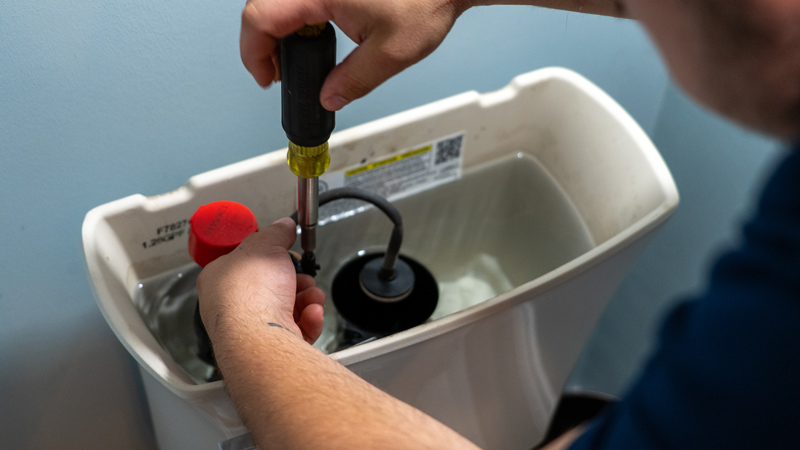
- Replace an old PSC blower motor with a variable-speed ECM blower motor. ECM motors reduce fan energy by 30 to 50 percent and improve dehumidification because they can run slower for longer. Install a programmable or smart thermostat with staging and remote sensors. Properly configured, these reduce runtime and avoid short-cycling; zoning or remote sensors can address hot or cold rooms without cranking the whole system. Seal and insulate ducts, especially in unconditioned spaces. Leaky ducts commonly lose 10 to 30 percent of conditioned air, with larger losses in houses with long, disconnected runs. Upgrade to a larger or more efficient condenser coil if the existing one is undersized or corroded. A clean, modern coil improves heat transfer and reduces compressor work. Convert to a high-efficiency refrigerant charge and tune: correct refrigerant level, replace old TXV or add a new expansion device when appropriate. A properly charged and tuned system runs cooler and lasts longer.
How these changes perform in practice Numbers help frame expectations. For a typical three-ton system in a 2,000 square foot home, here are conservative ranges I have seen:
- An ECM blower swap often reduces whole-home electricity use attributable to the blower by 30 to 50 percent, which translates to a 3 to 8 percent reduction in total cooling season energy costs, depending on runtime. Thermostat upgrades with sensible schedules and remote temperature sensors commonly trim 5 to 12 percent off the cooling bill. When paired with zoning, savings can be larger if you shut down parts of the house. Duct sealing and insulation can yield 10 to 30 percent cooling energy savings, especially if ducts run through an attic or crawlspace. Coil replacement or cleaning, when the old coil was degraded, often improves efficiency by 5 to 15 percent because the compressor spends less time running. Correcting refrigerant charge and replacing a failing TXV can increase efficiency by 5 to 10 percent and improve capacity on hot days.
Those ranges represent field experience, not laboratory guarantees. Real savings depend on occupant behavior, insulation, shading, thermostat setpoints, and local electricity rates.
Practical trade-offs and when to skip a given upgrade Trade-offs matter. A variable-speed ECM motor is a great retrofit when the air handler is in good shape, the blower wheel is balanced, and the control board supports ECM. It is less attractive if the air handler is badly corroded or the home has chronic ductwork sizing problems. In that case, spending on duct repair first gives better returns.
Similarly, smart thermostats provide big benefits if the family actually uses schedules and takes advantage of away modes or geofencing. I have seen homeowners install a top-notch thermostat and leave it behaving like the old manual model. Training and habits influence outcomes.
Replacing condenser coils makes sense when the coil is corroded or when the original was undersized for later home modifications. If the coil is only mildly dirty, a deep cleaning and preventative coating may be enough.
Two brief stories from service calls One morning I met a retired teacher in Canton who complained her house never felt cool despite the AC running continuously. Measurements showed the system had a 10 degree temperature split instead of the expected 18 to 22 degrees, and airflow was way down. The culprit was twofold: a failing PSC motor and poorly sealed flex ducts in the attic. Replacing the motor with an ECM, sealing the ducts, and rebalancing returned airflow to spec. The homeowner reported the living room reached setpoint for the first time in years and the compressor cycled normally. Her bills dropped roughly 15 percent the first summer after the work.
In another case, a young family had high humidity and long run times. The condenser was only five years old but the thermostat was basic and located in a cool hallway. Moving the thermostat to a living area, adding a remote sensor, and programming sensible setbacks solved the humidity without changing the compressor. The lesson: sometimes small, inexpensive changes fix the perceived need for a costly replacement.
Installation and lifespan considerations Upgrades require quality installation. A premium ECM motor installed poorly will hum, vibrate, or draw more current than expected. Coil replacements must match https://maps.app.goo.gl/R99ACdesea5tbcVr6 refrigerant type, flaring tolerances, and line lengths. Duct sealing requires real access and proper materials; aerosol sealing works in some retrofit contexts but is not a magic fix for collapsed ducts.
Expect different lifespans for each upgrade. ECM motors are durable and can last 10 to 15 years if operating within design conditions. Coils and condensers typically last 10 to 15 years depending on exposure. Duct sealing is long-lived if insulated and mechanically supported. A thermostat usually lasts 7 to 10 years before replacement or firmware updates become necessary.
Two short checklists: what to ask your HVAC contractor and what to expect during a tune-up
- Ask for measured numbers: airflow in CFM, static pressure readings, refrigerant pressures, and temperature split. Request before-and-after numbers once work is completed, and a simple explanation of what the data means. Confirm compatibility: will the new motor or thermostat work with your current control board and blower? If zoning is suggested, ask about dampers, staging, and installation disruption. Get a written estimate that separates parts, labor, permits, and potential follow-up adjustments. Ask about warranties on parts and labor. Ask the contractor to photograph major problem areas like corroded coils, disconnected ducts, or rusted drain pans so you can see why a recommendation is made. Discuss energy savings expectations conservatively; ask for a worst-case and best-case range. During a proper tune-up you should expect filter inspection and replacement as needed, coil cleaning, electrical checks including contactor and capacitor condition, refrigerant pressure measurement, blower motor inspection and amp draw measurement, and condensate drain clearing. If a repair is made, expect follow-up verification of airflow and a check for leaks. The technician should leave a simple service report with measured numbers, actions taken, and suggested next steps. If a refrigerant charge was adjusted, the report should document pressures and the method used. For ECM motor swaps, expect a run-in period where the installer calibrates fan curves and checks for vibration and proper duct static pressure. If ducts are sealed, expect to see access points or photos of aerosol sealing, and learn what parts of the system were not accessible. If a smart thermostat is installed, expect basic programming and a quick tutorial. The contractor should test remote sensors and demonstrate how to schedule and override modes.
Financing, rebates, and payback Many upgrades qualify for local utility rebates or state incentives. In Massachusetts, utility programs often offer rebates for high-efficiency motors, air-sealing, and certain smart thermostats. Some homeowners qualify for mass-saving programs that bundle insulation and HVAC improvements. Green Energy AC Heating & Plumbing Repair can help identify available rebates and provide the paperwork. Financing options are often available through contractors or third-party lenders; monthly payments can sometimes be smaller than the immediate savings from a lower electric bill.
Payback periods vary. Duct sealing and thermostat upgrades often pay for themselves in one to three years. ECM motor retrofits might show longer payback, commonly three to six years, depending on usage. Coil replacements and refrigerant tune-ups usually pay back in two to five years. The key is to base decisions on measured losses and a clear estimate of runtime and local electricity rates.
Why choose Green Energy AC Heating & Plumbing Repair in Canton Local knowledge matters. Canton homes have a mix of older construction, attic duct runs, and tight lots where shading can be optimized. Green Energy AC Heating & Plumbing Repair has experience diagnosing the specific problems common in the area, from attic duct leakage to aging fiberglass insulation that undermines HVAC efficiency. We prioritize measured diagnostics, transparent estimates, and practical phasing so you only invest in what returns value.
Technicians from our team carry the tools to document before-and-after performance and they explain trade-offs in plain language. If you want a full replacement, we will show the efficiency delta and projected costs. If targeted upgrades make sense, we will present an ordered plan that stages improvements to match your budget.
A realistic next-step plan for homeowners in Canton Start with a diagnostic tune-up and airflow measurement. That step costs less than a major repair and gives the numbers to make decisions. If I were advising a homeowner who plans to stay in their house five to ten years, I would recommend this sequence:
Baseline diagnostic, filter change, coil cleaning, and refrigerant check; Duct sealing and insulation work on the most leaky runs; ECM blower swap if airflow problems or energy use justify it; Thermostat upgrade with remote sensors and scheduling; Coil replacement or condenser upgrade if the system still shows poor heat transfer.Each step builds on the previous one. After major changes, always retest and document performance so the next decision rests on facts, not anecdotes.
Final perspective Improving AC efficiency in a practical, cost-effective way requires diagnostics, common sense, and realistic expectations. Upgrades can reduce bills, improve comfort, and extend equipment life when chosen based on measured problems rather than marketing claims. Whether you need ac repair in Canton MA, a tune-up, or guidance on AC installation in Canton, Green Energy AC Heating & Plumbing Repair approaches every job with hands-on experience, clear numbers, and a focus on long-term value. If you want specific savings estimates for your house, schedule a diagnostic visit, and bring any past service records so we can match recommendations to the system that actually lives in your attic or basement.
Green Energy AC Heating & Plumbing Repair
480 Neponset St, Canton, MA 02021, United States
+1 (877) 630-3386
[email protected]
Website: https://greenenergymech.com